The Pacific Northwest spans one of the most geographically diverse travel corridors in the United States, stretching from the volcanic peaks of Oregon through Washington's rainforest valleys and into Montana's wilderness borderlands. Whether you're planning a multi-state road trip, a national park visit, or a remote nature retreat, choosing the right base determines how much you actually experience - and how much time you lose in transit. This guide covers 6 carefully selected hotels across the region, from budget-friendly Oregon motels near wildlife parks to full-service lodges above the Columbia River Gorge, with concrete details to help you book with confidence.
What It's Like Staying in the Pacific Northwest
The Pacific Northwest is not a single destination - it's a collection of ecosystems, each requiring a different logistical approach. Distances between towns are significant, driving is the dominant mode of transport, and most lodges are positioned outside urban centers, meaning car rental is almost non-negotiable. Crowd patterns vary sharply by season: coastal and gorge properties fill up fast from late June through August, while mountain lodges in Montana see peaks around July and September during shoulder hunting and hiking seasons. Travelers who benefit most from staying here are those seeking outdoor immersion - hiking, rafting, wildlife watching - rather than urban convenience. City-first travelers may find the region's dispersed layout frustrating without a vehicle and a multi-night plan.
Pros:
- Access to some of the most dramatic scenery in the continental U.S., including Yellowstone's northern corridor, the Columbia River Gorge, and the North Cascades
- Lodging options range from full-service resort complexes to remote riverside lodges, offering genuine variety across budgets
- Around 70% of properties in rural areas include free parking, making road-trip logistics straightforward
Cons:
- Inter-city distances are large - driving from Bozeman, MT to Stevenson, WA takes over 8 hours without stops
- Many lodges lack walkable amenity clusters; dining and activity options require driving
- Peak summer availability in gateway towns like Bozeman or Rockport can disappear weeks in advance
Why Choose These Hotels in the Pacific Northwest
Hotels across the Pacific Northwest skew toward the experiential end of the spectrum - lodge-style properties that double as activity hubs are more common than standard urban hotels, and that distinction matters when planning itineraries. Unlike city-center hotels in Seattle or Portland, the properties covered in this guide are positioned near national parks, scenic byways, and wildlife corridors, meaning location proximity to outdoor attractions is the primary value driver, not walkability scores. Expect room rates to reflect seasonal demand sharply: a riverside chalet in Rockport, WA during fall foliage season or a Bozeman lodge during peak summer can run significantly higher than the same room in March. Room sizes tend to be more generous than urban equivalents, with many properties offering patios, mountain views, or kitchen access - practical for multi-night stays or family groups. The trade-off is that amenity density is lower; you may find one restaurant on-site rather than a dozen options within walking distance.
Pros:
- Properties in this region typically offer larger room footprints with outdoor spaces like patios or balconies, better suited for extended stays
- Many include free parking and, in some cases, free airport shuttles - reducing total trip costs meaningfully
- On-site recreational access (hiking trails, bike rentals, hot tubs, golf) reduces the need to book separate activity packages
Cons:
- Dining options are often limited to a single on-site restaurant, which can feel restrictive over longer stays
- Remote locations mean that forgotten gear or supplies require long drives to replace
- Properties near Yellowstone or national parks often enforce minimum stay requirements during peak weeks
Practical Booking & Area Strategy for the Pacific Northwest
The Pacific Northwest rewards travelers who think in sub-regions rather than the region as a whole. For Yellowstone access and big-sky Montana landscapes, Bozeman is the logical base - Bozeman Yellowstone International Airport is the closest major airport to the park's northern entrances, and lodges along the Gallatin River corridor put you within 90 minutes of the park boundary. For Washington State, Stevenson in the Columbia River Gorge and Rockport near the North Cascades serve very different traveler types: the Gorge suits those wanting resort-style amenities with scenic hiking nearby, while Rockport is better for self-sufficient travelers seeking wilderness seclusion. On the Oregon side, the I-5 corridor near Winston offers the most practical highway-adjacent stop for travelers moving between Portland and southern Oregon's Wildlife Safari or Umpqua National Forest. Book at least 6 weeks ahead for July and August stays near any national park-adjacent property - last-minute availability in these areas is rare during summer, and prices reflect it. For shoulder-season visits in May or October, you'll find better rates and far fewer crowds across all three states.
Best Value Stays
These properties offer strong location value and practical amenities at more accessible price points, making them well-suited for road-trippers, nature-focused travelers, and those prioritizing access to outdoor activities over resort-level services.
-
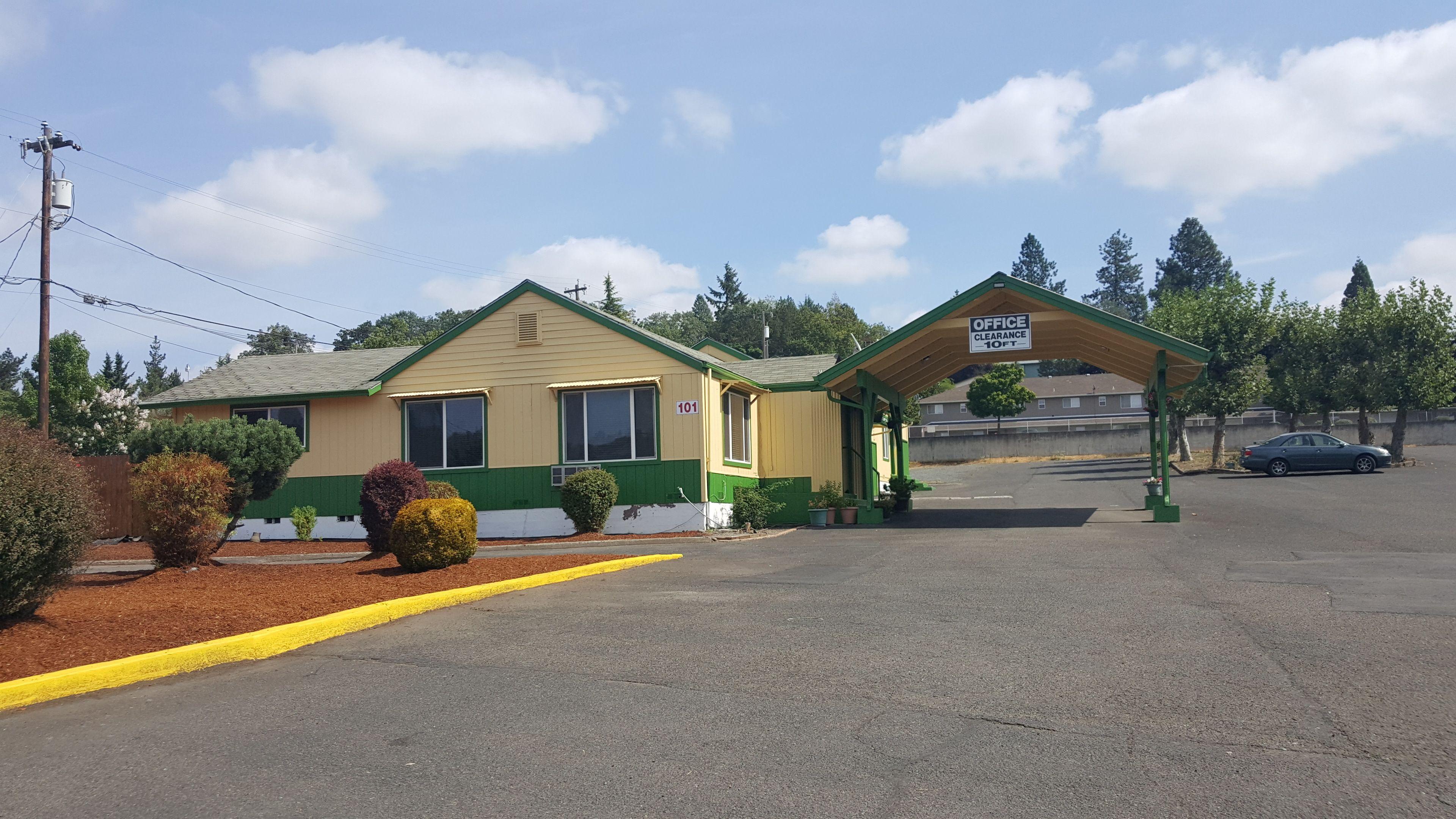
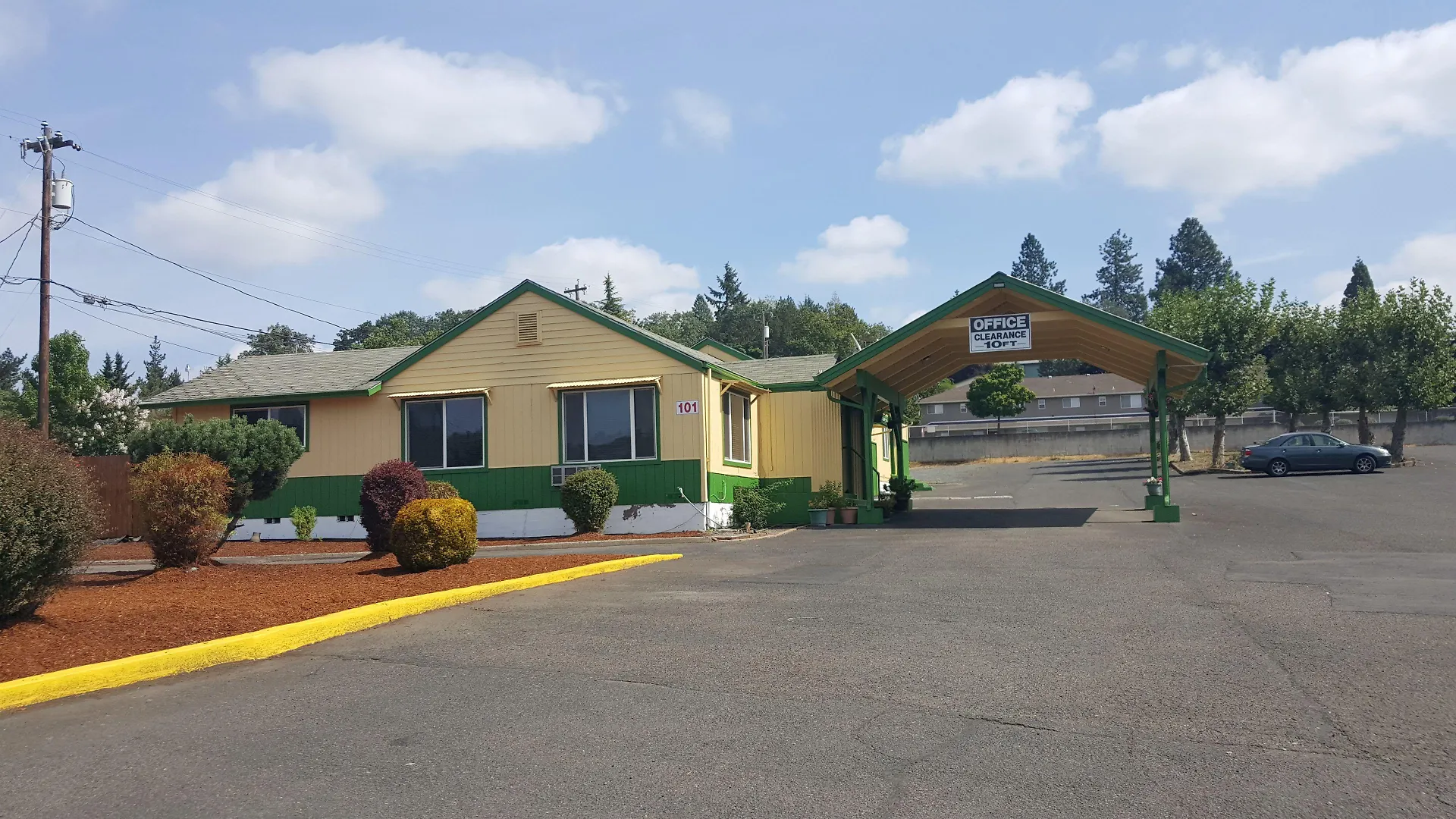
1. Safari Inn Motel
Show on map


 Check-infrom 14:00 until 22:00Check-outuntil 11:00
Just a few rooms left at the best rate!
fromUS$ 80
-
2. The Edenwild Boutique Inn
Show on map


 Check-infrom 16:00 until 23:59Check-outuntil 11:00
Just a few rooms left at the best rate!
fromUS$ 512
-
3. Rye Creek Lodge
Show on map


 Check-infrom 16:00 until 21:00Check-outfrom 08:00 until 11:00
Hurry – almost gone at this price!
fromUS$ 469
-
4. Glacier Peak Resort And Rv Park
Show on map


 Check-infrom 15:00 until 18:00Check-outfrom 08:00 until 12:00
Hurry – almost gone at this price!
fromUS$ 154
Best Premium Stays
These two properties offer full-service resort experiences or highly positioned lodge amenities, combining outdoor access with on-site dining, wellness facilities, and structured services - suited for travelers who want the Pacific Northwest wilderness without sacrificing comfort.
-
5. Gallatin River Lodge
Show on map


 Check-infrom 15:00 until 17:30Check-outfrom 08:00 until 10:00
Rooms filling fast – secure the best rate!
fromUS$ 296
-
6. Skamania Lodge
Show on map


 Check-infrom 16:00 until 23:59Check-outuntil 11:00
Rooms filling fast – secure the best rate!
fromUS$ 179
Smart Travel & Timing Advice for the Pacific Northwest
Timing your Pacific Northwest trip correctly can significantly affect both cost and experience quality. July and August are the busiest months across all three states covered here - Yellowstone-adjacent lodges in Bozeman fill within days of opening their booking windows for peak summer, and Columbia River Gorge properties like Skamania Lodge command their highest rates during this window. September is widely considered the sweet spot: crowds thin noticeably, temperatures remain pleasant for hiking and rafting, and rates at many lodges drop by around 20% compared to July peaks. For Lopez Island and the San Juan Islands, May and early June offer mild weather and far less ferry congestion than the summer rush. Montana's Bitterroot Valley around Darby sees its quietest - and most affordable - period from November through March, though winter access to hiking trails is limited by snow. For most properties in this guide, booking 6 weeks ahead for summer is the minimum; for Skamania Lodge or Gallatin River Lodge during July, 10 to 12 weeks ahead is more realistic for preferred room types. A minimum stay of 3 nights makes the most logistical sense for any property requiring significant driving time to reach from a major airport.