Texas is one of the most geographically and culturally diverse states in the U.S., spanning over 800 miles from El Paso to the Louisiana border. Whether you're driving through the Panhandle, visiting military installations near Killeen, or exploring the Dallas-Fort Worth metro, finding the right hotel in the right city makes a measurable difference in your trip. This guide covers 15 hotels across Texas - from budget-practical to extended-stay and branded mid-range - to help you make a confident booking decision.
What It's Like Staying in Texas
Texas operates on a car-first infrastructure model - in most cities outside of Austin and downtown Dallas, you will need a vehicle to reach restaurants, attractions, and major highways. Distances between cities can exceed 200 miles, meaning hotel location relative to your planned itinerary matters far more than it would in a compact East Coast destination. Crowd patterns vary sharply: San Antonio and Austin draw heavy tourist traffic year-round, while cities like Bastrop, Beeville, or Corsicana see more regional and business travelers than leisure tourists.
Staying in Texas rewards travelers who plan by corridor - grouping hotel nights around a geographic route rather than trying to cover the whole state in one trip. Summer temperatures regularly exceed 100°F across most of the state, making pool access and air conditioning genuine priorities rather than optional perks.
Pros:
- Enormous variety of environments - Gulf Coast beaches, Hill Country, high plains, and major metros all within one state
- Strong value for money in secondary cities like Corsicana, Pampa, and Beeville compared to Austin or Dallas pricing
- Most hotels include free parking, a practical advantage for the road-trip-heavy travel style Texas demands
Cons:
- Public transportation is minimal outside of downtown Dallas and Houston, making a rental car nearly non-negotiable
- Summer heat makes outdoor exploration uncomfortable for extended periods without planning around it
- Popular corridors like I-35 and I-10 see heavy truck traffic, and hotels near these highways can experience road noise
Why Choose a Hotel in Texas
Hotels across Texas - as opposed to vacation rentals or motels - consistently deliver branded reliability that matters when you're covering long driving distances across unfamiliar territory. In smaller Texas cities, a recognized hotel brand often means the only property in town with an operational fitness center, a daily breakfast, and a 24-hour front desk - all genuinely useful when arriving late after a long highway drive. Mid-range hotel rates in secondary Texas cities often run around 30% lower than equivalent properties in Austin or Dallas, making cities like Burleson, Cedar Hill, and Gatesville smart positioning choices for DFW-area visitors.
Room sizes at Texas hotels tend to be larger than comparable urban hotels in coastal cities, and suite-format rooms with kitchenettes are widely available - a practical advantage for longer stays or family travel. Extended-stay formats are particularly strong in the Killeen and Houston markets, driven by military personnel and medical travelers who need apartment-style accommodations without full lease commitments.
Pros:
- Branded hotel chains in Texas secondary cities frequently include free breakfast, a cost-saving feature that adds real value on multi-night road trips
- Indoor and outdoor pools are common even at 3-star properties - a meaningful amenity given the Texas heat
- Extended-stay and suite-format rooms are widely available across the state, suiting both business travelers and families
Cons:
- Hotels near military bases or medical centers often run at high occupancy, requiring earlier booking windows than typical leisure destinations
- Smaller Texas cities may have limited dining options within walking distance, making in-room kitchenettes more important to evaluate before booking
- Properties in remote areas like Big Lake or Pampa have fewer nearby entertainment options, which may not suit travelers seeking nightlife or cultural programming
Practical Booking & Area Strategy for Texas Hotels
The Dallas-Fort Worth corridor offers the widest range of hotel options in Texas, and staying in suburban cities like Cedar Hill or Burleson puts you within around 25 km of downtown Dallas and Fort Worth while avoiding downtown parking costs. For travelers visiting Fort Hood or the Central Texas military zone, Killeen is the logical base - it sits directly adjacent to the installation and has multiple branded hotel options including extended-stay formats. In the Texas Panhandle, Amarillo is the only practical hub, with Rick Husband Amarillo International Airport serving as the regional air gateway; Pampa is around 75 km east and better suited as a stopover than a base.
For South Texas, Edinburg sits within 13 km of McAllen-Miller International Airport, making it a logical overnight option for early flights or border-region business. Book at least 6 weeks ahead for stays near Fort Hood or during Frontier Days in Bastrop - demand from military families and event visitors compresses availability sharply. East Texas travelers heading toward Caddo Lake will find Marshall a practical last-stop before entering the lake region, while Houston-area visitors needing extended-stay accommodations should evaluate properties relative to the George Bush Intercontinental Airport, which anchors the north Houston hospitality corridor.
Best Value Hotels in Texas
These hotels deliver reliable amenities, practical locations, and strong value across Texas secondary cities - all well-suited for road trippers, business travelers, and military-adjacent stays where pricing and functionality matter most.
-
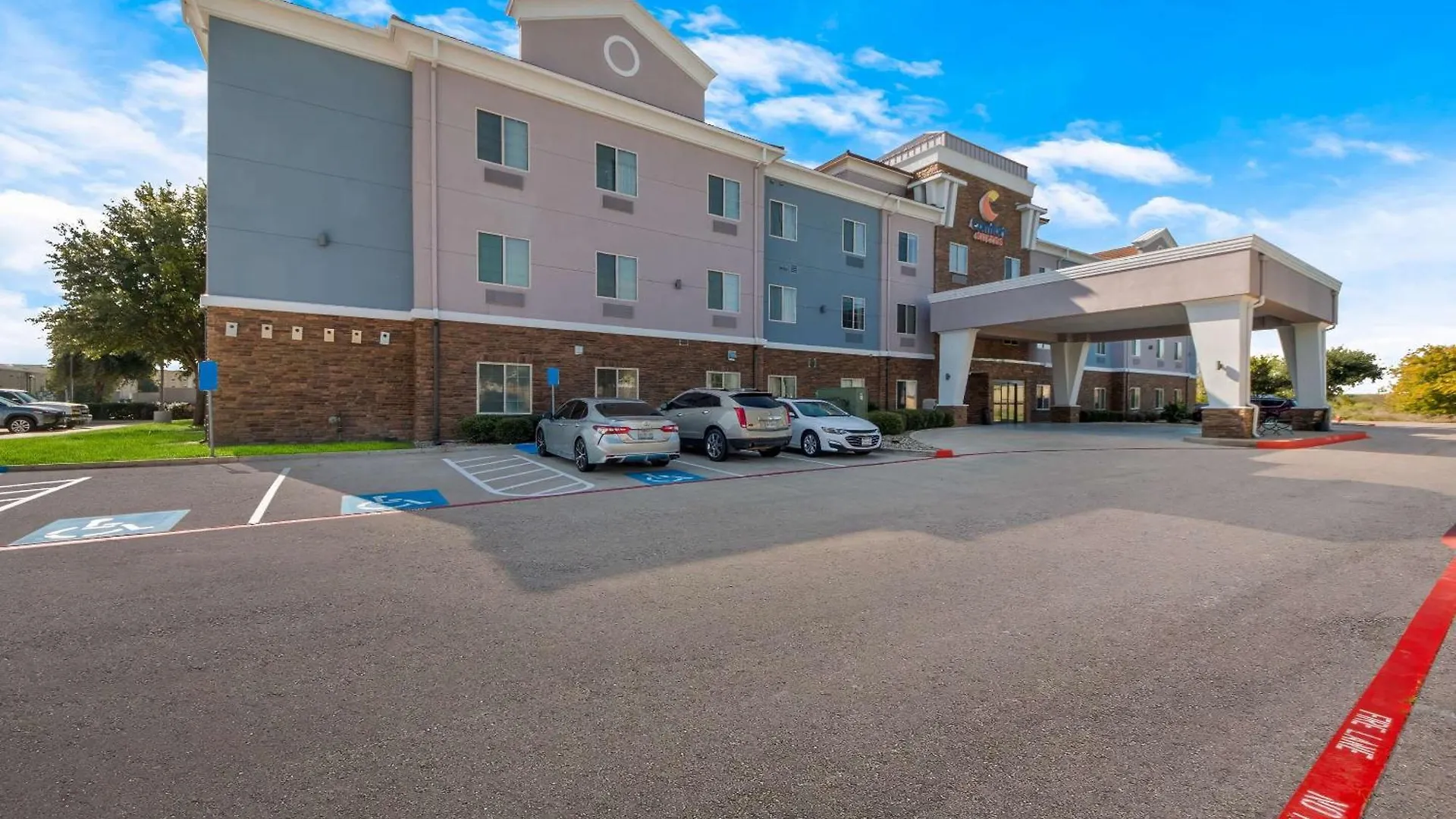
1. Comfort Suites Bastrop
Show on map


 Check-infrom 15:00 until 23:59Check-outuntil 11:00
Hurry – almost gone at this price!
fromUS$ 101
-
2. La Quinta By Wyndham Beeville
Show on map


 Check-infrom 15:00 until 23:59Check-outuntil 11:00
Best price guarantee
fromUS$ 84
-
3. La Quinta By Wyndham Pampa
Show on map


 Check-infrom 15:00 until 23:59Check-outuntil 11:00
Just a few rooms left at the best rate!
fromUS$ 75
-
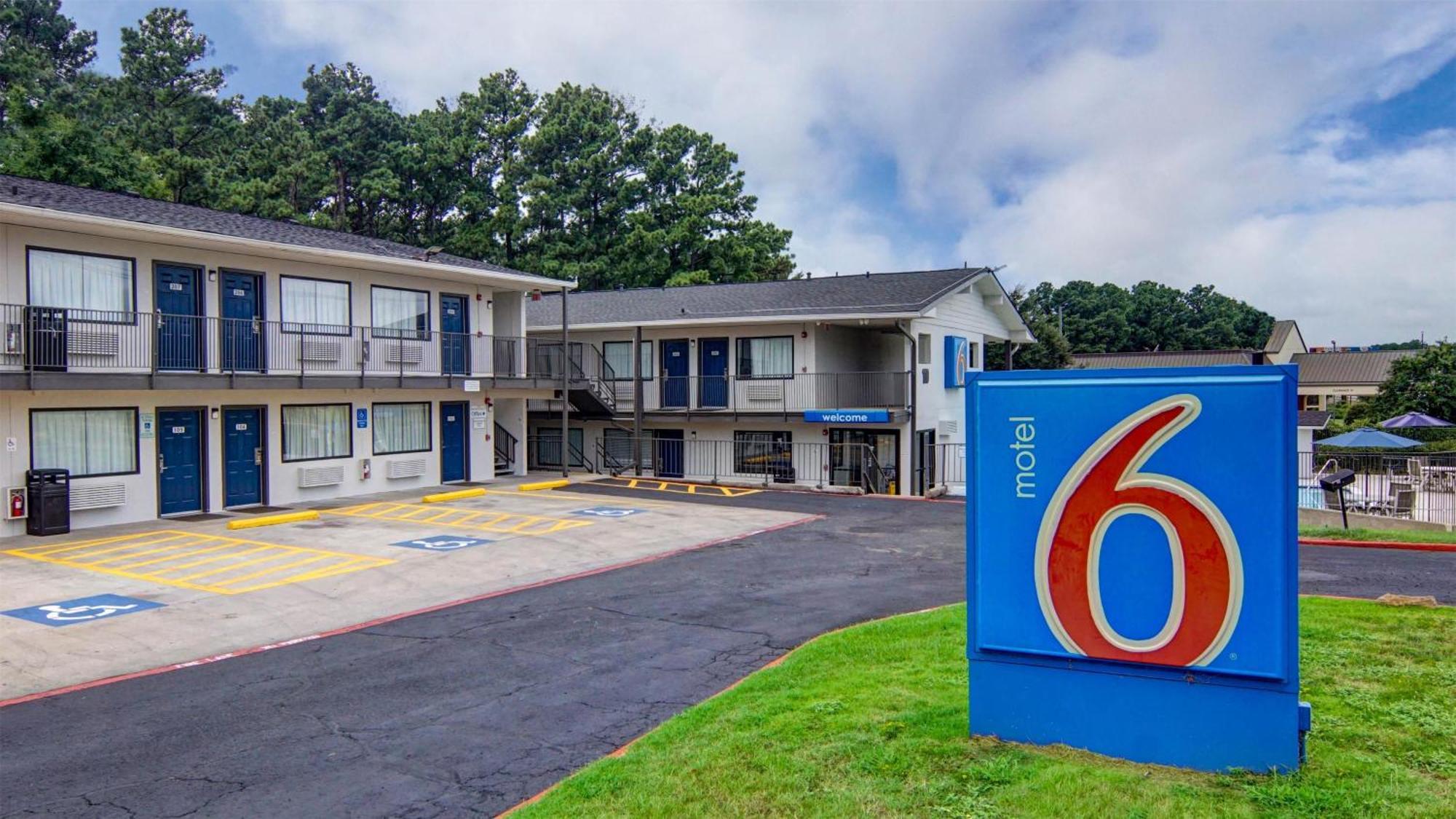
4. Motel 6-Marshall, Tx
Show on map


 Check-infrom 14:00 until 23:59Check-outuntil 11:00
Just a few rooms left at the best rate!
fromUS$ 59
-
5. Woodspring Suites Killeen
Show on map


 Check-infrom 15:00 until 23:59Check-outuntil 11:00
Best price guarantee
fromUS$ 45
-
6. Best Western Plus Big Lake Inn
Show on map


 Check-infrom 15:00 until 23:59Check-outuntil 11:00
Best price guarantee
fromUS$ 195
-
7. La Quinta By Wyndham Corsicana
Show on map


 Check-infrom 15:00 until 23:59Check-outuntil 11:00
Hurry – almost gone at this price!
fromUS$ 76
-
8. North Villa Extended Stay
Show on map


 Check-infrom 15:00 until 23:59Check-outuntil 11:00
Best price guarantee
fromUS$ 35
Best Mid-Range & Premium Hotel Picks in Texas
These hotels offer stronger amenity sets, branded reliability, and positioning near major Texas attractions and metropolitan areas - suited for travelers who want a more complete hotel experience without compromising on location or included services.
-
1. Tru By Hilton Edinburg
Show on map


 Check-infrom 15:00 until 23:30Check-outuntil 12:00
Just a few rooms left at the best rate!
fromUS$ 99
-
2. Fairfield Inn & Suites By Marriott Dallas Cedar Hill
Show on map


 Check-infrom 15:00 until 23:59Check-outuntil 12:00
Best price guarantee
fromUS$ 329
-
3. Home2 Suites By Hilton Burleson
Show on map


 Check-infrom 15:00 until 23:59Check-outuntil 12:00
Rooms filling fast – secure the best rate!
fromUS$ 269
-
4. Holiday Inn Express & Suites Gatesville - N. Ft Hood By Ihg
Show on map


 Check-infrom 15:00 until 23:59Check-outuntil 11:00
Best price guarantee
fromUS$ 346
-
5. Residence Inn By Marriott Killeen
Show on map


 Check-infrom 15:00 until 23:59Check-outuntil 12:00
Best price guarantee
fromUS$ 124
-
14. Hampton Inn Sulphur Springs
Show on map


 Check-infrom 15:00 until 23:59Check-outuntil 11:00
Rooms filling fast – secure the best rate!
fromUS$ 87
-
7. The Big Texan Motel
Show on map


 Check-infrom 15:00 until 23:59Check-outuntil 11:00
Hurry – almost gone at this price!
fromUS$ 75
Smart Travel Timing and Booking Advice for Texas Hotels
Texas hotel pricing follows clear seasonal patterns that directly affect availability and rates across all regions. Spring (March through May) is the peak travel season in Central Texas and the Hill Country, driven by bluebonnet season, South by Southwest in Austin, and spring break traffic - book at least 8 weeks ahead for properties near Austin, Dallas, and the I-35 corridor during this window. Summer heat pushes leisure travel toward indoor-focused destinations and Gulf Coast beaches, with properties in Amarillo, Pampa, and the Panhandle seeing lighter pressure than South and Central Texas counterparts.
Military-adjacent hotels near Fort Hood and Killeen operate at sustained high occupancy year-round due to permanent personnel rotation cycles, making last-minute booking genuinely risky in that market. For road-trippers covering the full state, mid-week stays (Tuesday through Thursday) typically deliver lower rates than weekend bookings at branded chain properties. October and November offer the best balance of mild temperatures and lower rates across most of Texas, with the exception of San Antonio's Dia de los Muertos events and fall festival season in the Hill Country, which create localized demand spikes. Budget travelers should consider shoulder-season stays in smaller cities - properties in Beeville, Big Lake, and Sulphur Springs see far less rate volatility than their metro-area counterparts.