
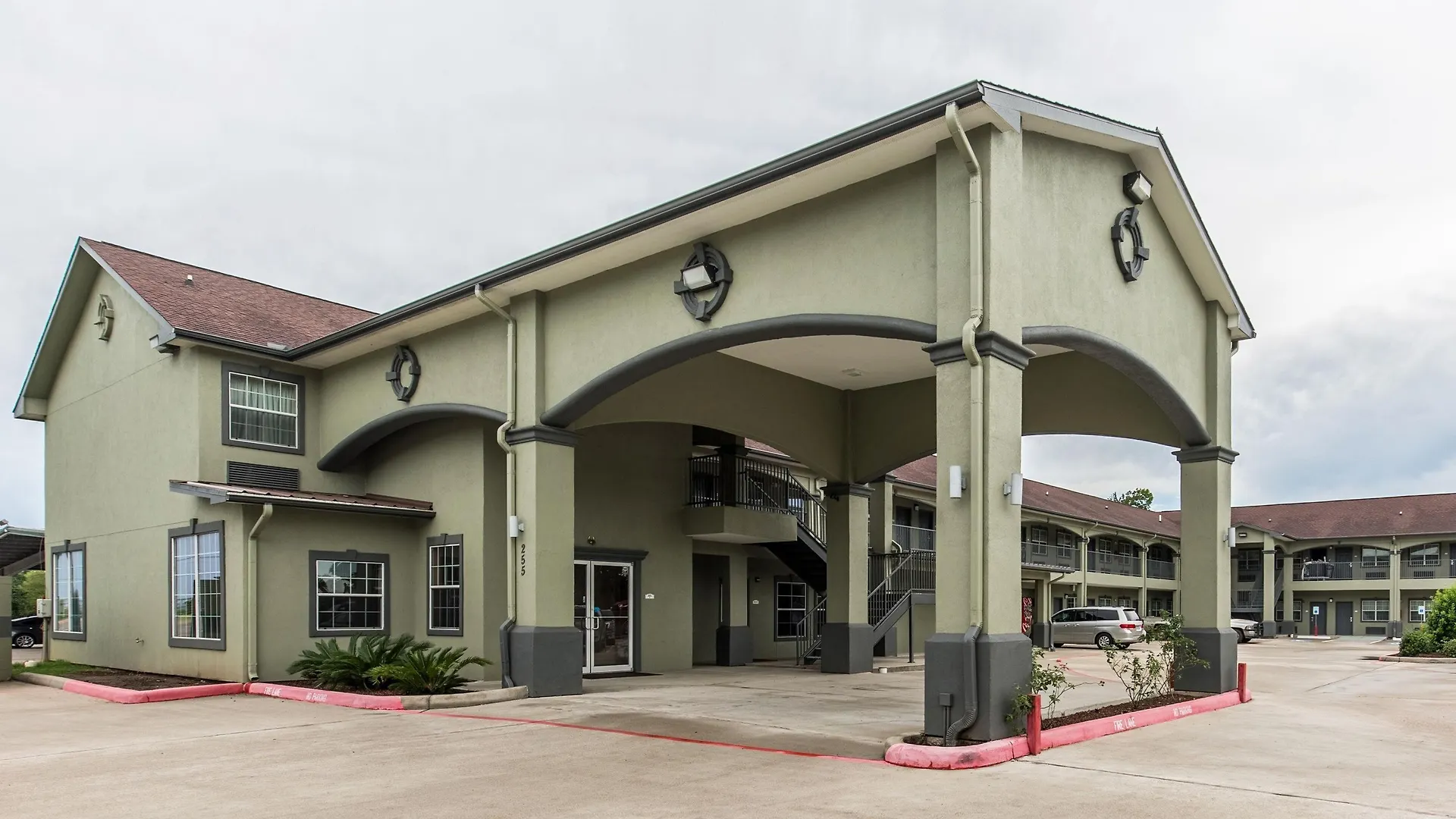
The Texas Gulf Coast stretches from the Louisiana border down to the Rio Grande Valley, anchoring a region shaped by cattle empires, oil booms, and centuries of coastal trade. Staying here means positioning yourself near Civil War-era plantations, 19th-century port towns, and barrier island architecture that tells the story of how the American South met the sea. These four hotels sit across distinct pockets of the coast - from Galveston's historic Strand district to the Kingsville ranch country - giving travelers real choices based on where history matters most to them.
What It's Like Staying in Texas Gulf Coast
The Texas Gulf Coast is not a single destination - it's a 370-mile corridor of barrier islands, river deltas, and port towns where plantation history, petroleum heritage, and coastal ecology overlap. Getting between cities requires a car; public transport is essentially non-existent outside of Galveston's basic transit, so nearly every sightseeing decision is road-based. Crowd patterns are strongly seasonal: Galveston and Corpus Christi peak hard in summer, while inland historical stops like West Columbia and Kingsville stay quieter year-round, rewarding visitors who want depth over beach crowds.
Travelers drawn to battlefield sites, antebellum architecture, and oil-era industrial history will find the Gulf Coast consistently rewarding. Around 60% of the region's historical sites sit within short drives of the hotels listed here, making these properties genuinely strategic bases rather than arbitrary stopovers. Those expecting walkable urban environments or dense cultural amenities will likely find the pace slower than anticipated.
Pros:
- Dense concentration of 19th-century and early 20th-century historical sites accessible by short drives
- Low competition for off-season visits to inland heritage towns like West Columbia and Kingsville
- Coastal and inland diversity within one trip - plantations, port history, and barrier island architecture all reachable
Cons:
- No viable public transportation between cities - a rental car is mandatory for any multi-site itinerary
- Summer humidity on the coast regularly exceeds comfort thresholds, especially in July and August
- Major historical sites in Galveston face hurricane-season closures and weather disruptions from June through November
Why Choose Historical Hotels in Texas Gulf Coast
Historical hotels on the Texas Gulf Coast tend to sit near the actual landmarks rather than in resort corridors, which means shorter drives to plantation grounds, museum districts, and heritage parks. At the budget and mid-range tier, these properties typically offer standalone amenities - parking, pools, and breakfast - without the premium pricing of beachfront resort hotels, which can run around 40% higher per night in peak season. Room sizes at these value-oriented historical-area hotels are generally larger than equivalent-priced urban hotels, as most properties were built in lower-density markets with parking-first design logic.
The trade-off is that most of these hotels are not historically listed buildings themselves - they're modern or mid-century properties positioned near historical zones. That distinction matters for travelers expecting period architecture inside the hotel, not just proximity to it. Noise and foot traffic are low at inland picks like Bridge City and West Columbia, while Galveston properties balance heritage access with active tourism crowds, particularly from April through Labor Day.
Pros:
- Proximity to specific historical sites - plantations, wildlife refuges, and port museums - without resort pricing
- Larger room footprints and free parking standard at most properties in this category on the Gulf Coast
- Year-round availability in smaller towns means last-minute bookings are feasible outside of Galveston
Cons:
- Most properties are not heritage buildings themselves, limiting the immersive historical atmosphere inside the hotel
- Dining options near inland properties like Kingsville and Bridge City are limited to chain restaurants and local diners
- Galveston properties carry weather risk from June through November, with potential disruptions during named storms
Practical Booking & Area Strategy
Galveston is the most visited city on the Texas Gulf Coast and the best base for travelers prioritizing dense historical content - the Strand National Historic Landmark District, Bishop's Palace, and Moody Mansion are all within a few kilometers of central hotels. Book Galveston properties at least 8 weeks in advance for summer visits, as waterfront-adjacent inventory sells out quickly from Memorial Day through Labor Day. West Columbia, roughly 90 minutes southwest of Houston, gives access to Varner-Hogg Plantation State Historic Site with virtually no competition for accommodation, making it a strong pick for history-focused travelers who prefer quieter surroundings.
Kingsville, located in the southern section of the coast near the legendary King Ranch - the largest ranch in the United States - suits travelers building multi-day itineraries around South Texas heritage. Bridge City near the Louisiana border provides a logical overnight stop for those touring the Sabine River historical corridor or visiting the Delta Downs racing and gaming district. Driving times between these cities average around 3 hours, so planning two or three base locations for a full Gulf Coast historical tour is more practical than attempting the entire stretch from one hotel.
Best Value Stays
These properties offer reliable amenities and direct proximity to key historical sites at price points well below Galveston's coastal premium, making them the practical choice for budget-conscious history travelers on the Gulf Coast.
-
1. Quality Inn & Suites Bridge City Orange
Show on map


 Check-infrom 15:00 until 23:59Check-outuntil 11:00
Just a few rooms left at the best rate!
fromUS$ 117
-
2. Americas Best Value Inn West Columbia
Show on map


 Check-infrom 14:00 until 23:59Check-outuntil 11:00
Just a few rooms left at the best rate!
fromUS$ 65
-
3. Econo Lodge Kingsville
Show on map


 Check-infrom 15:00 until 23:59Check-outuntil 11:00
Hurry – almost gone at this price!
fromUS$ 77
Best Premium Stay
For travelers prioritizing Galveston's layered historical landscape - Victorian architecture, Strand district museums, and barrier island heritage - this property offers the strongest combination of location and on-site amenities at a mid-range premium price point.
-
4. Candlewood Suites Galveston By Ihg
Show on map


 Check-infrom 15:00 until 21:00Check-outfrom 05:00 until 11:00
Rooms filling fast – secure the best rate!
fromUS$ 189
Smart Travel & Timing Advice
The optimal window for visiting Texas Gulf Coast historical sites is March through May, when temperatures are manageable, hurricane season has not begun, and crowds at Galveston attractions are well below summer peaks. Fall visits in October and November offer similar crowd relief and cooler temperatures, though hotel rates in Galveston can spike around Mardi Gras celebrations in February and spring break in March, so booking at least 6 weeks ahead is advisable for those periods. Inland destinations like West Columbia and Kingsville show almost no seasonal pricing pressure, making last-minute bookings feasible outside of local event weekends.
A minimum of two nights per base city is the realistic standard for covering regional historical sites without feeling rushed - King Ranch tours alone require a half-day, and Varner-Hogg Plantation combined with San Bernard National Wildlife Refuge comfortably fills a full day. Galveston warrants three nights if the goal is to cover the Strand district, East End Historic District, and Seawall heritage sites without a schedule conflict. Budget travelers willing to visit Galveston in January or February will find rates noticeably lower than summer, with most historical attractions remaining fully operational outside of weather disruptions.


