Virginia packs an unusual range of leisure experiences into a single state - from the salt marshes of Chincoteague Island to the colonial landmarks of Williamsburg and the theme parks north of Richmond. Whether you're road-tripping down the coast or anchoring in one city for a few days, the right hotel base changes your entire trip dynamic. This guide compares five leisure hotels across Virginia to help you match your stay to your actual itinerary.
What It's Like Staying In Virginia
Virginia is a state where leisure travel spans wildly different landscapes - colonial history in the Tidewater region, wildlife refuges on the Eastern Shore, amusement parks in the Richmond corridor, and military heritage across Hampton Roads. Most major attractions are car-dependent, so where you base yourself determines how much driving you'll do daily. Crowds concentrate heavily between Memorial Day and Labor Day, particularly at coastal destinations like Chincoteague and beach-adjacent parks.
Urban centers like Newport News and Richmond offer more consistent year-round access to culture and dining, while rural stays require more self-sufficiency. Around 60% of Virginia's leisure visitors arrive by car, which makes free parking a genuinely relevant amenity rather than a bonus.
Pros:
- Exceptional variety of leisure experiences within one state - wildlife, history, theme parks, and coastline all within driving distance
- Free parking is widely available at most leisure hotels, reducing daily costs significantly
- Strong mid-range hotel infrastructure across multiple cities means you rarely overpay for decent quality
Cons:
- Public transport between cities is extremely limited - a car is essentially mandatory for most itineraries
- Coastal and nature-adjacent destinations like Chincoteague have very short peak windows and limited off-season services
- Summer heat and humidity in inland areas like Ashland and Chester can make outdoor sightseeing uncomfortable without planning
Why Choose Leisure Hotels In Virginia
Leisure-focused hotels in Virginia tend to prioritize amenities that matter after a full day of sightseeing - on-site pools, complimentary breakfast, and family-friendly room configurations are far more common here than in business-travel corridors. Most properties include free parking and breakfast, which meaningfully cuts daily expenses compared to urban hotels in Washington D.C. or New York. Room sizes are generally larger than equivalent price points in major northeastern cities, and suites with kitchenettes appear frequently in the mid-range category.
The trade-off is that Virginia's leisure hotels cluster around specific attraction corridors - you'll find strong options near Richmond, Newport News, and Chincoteague, but coverage thins out in rural stretches. Nightly rates at 3-star leisure properties average around $120, with coastal and proximity-to-park locations commanding a modest premium during peak summer weeks.
Pros:
- On-site pools - both indoor and outdoor - appear across multiple price tiers, not just premium properties
- Complimentary breakfast is standard at many leisure hotels, removing the need to plan morning meals
- Family rooms and kitchenette suites are widely available, supporting longer stays without full resort pricing
Cons:
- Properties near major attractions book out quickly in summer - last-minute availability is genuinely limited, especially on Eastern Shore
- Leisure hotels in smaller towns like Emporia offer fewer walkable dining or entertainment options after check-in
- Quality consistency varies between chains even within the same brand tier - reviews vary significantly by location
Practical Booking & Area Strategy
Newport News sits at one of Virginia's most strategically useful positions for leisure travelers - Newport News/Williamsburg International Airport is just 3 km from the Courtyard Yorktown, and from there, Colonial Williamsburg, Busch Gardens, and Historic Jamestown are all reachable within 45 minutes by car. For travelers focused on Richmond-area attractions like Kings Dominion, Chester and Ashland both make practical bases, with Ashland sitting around 38 km from Richmond International Airport. Chincoteague Island requires deliberate planning - it's a destination in itself, not a transit hub, and the NASA Visitor Center and Assateague Island National Seashore are best explored over at least two nights. Emporia functions best as a stopover on a coastal or southbound road trip rather than a primary leisure destination. Book any coastal or theme park-adjacent property at least 6 weeks ahead for summer travel - these areas have limited room inventory and prices rise sharply as dates approach.
Best Value Stays
These properties deliver practical leisure amenities - pools, breakfast, and free parking - at lower price points, making them strong choices for families or travelers prioritizing cost efficiency over premium features.
-
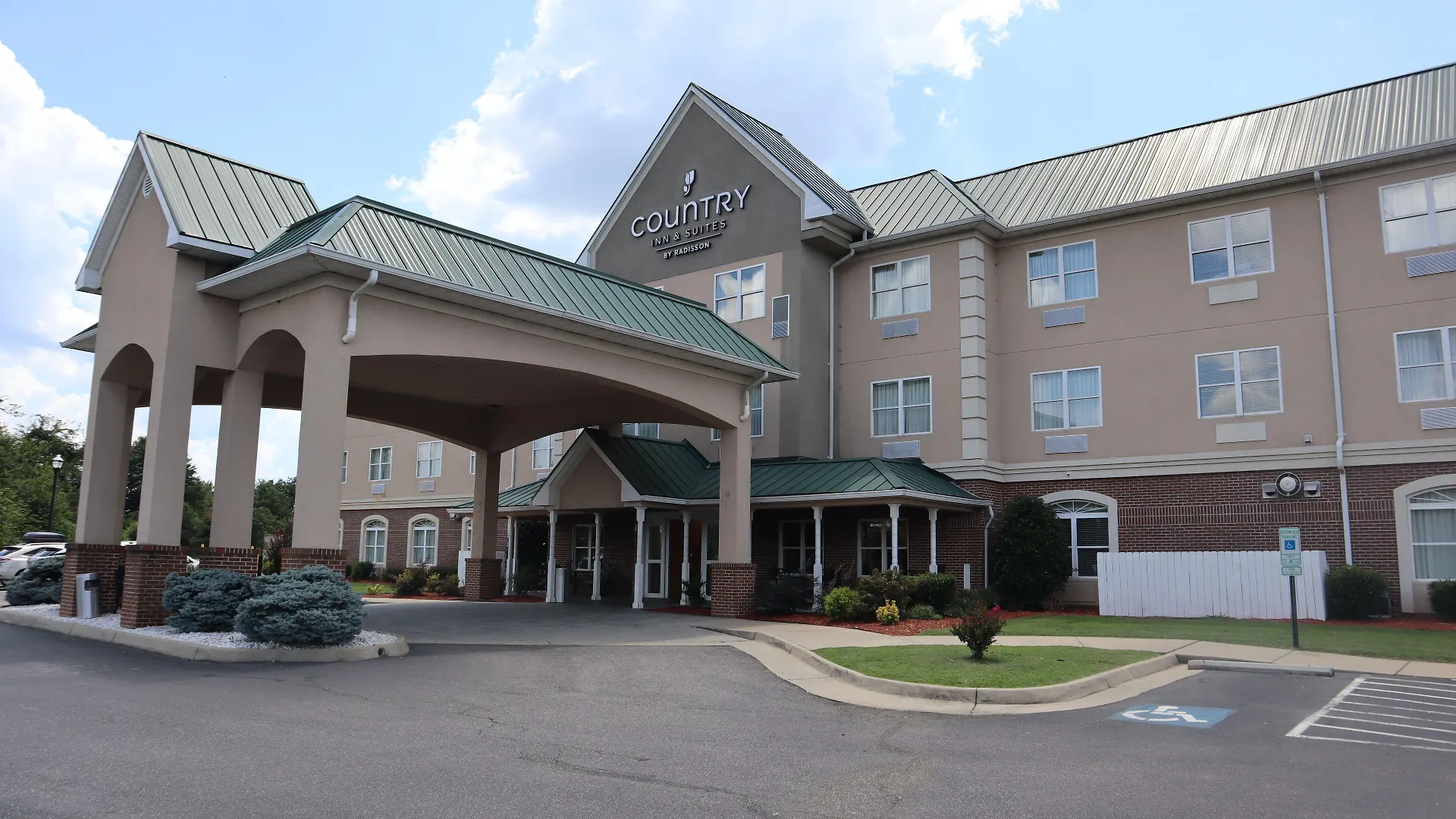
1. Country Inn & Suites By Radisson, Emporia, Va
Show on map


 Check-infrom 15:00 until 23:59Check-outuntil 11:00
Just a few rooms left at the best rate!
fromUS$ 71
-
2. Motel 6-Ashland, Va
Show on map


 Check-infrom 14:00 until 23:59Check-outuntil 11:00
Just a few rooms left at the best rate!
fromUS$ 50
-
3. Days Inn By Wyndham Chincoteague Island
Show on map


 Check-infrom 15:00 until 23:59Check-outuntil 11:00
Hurry – almost gone at this price!
fromUS$ 67
Best Premium Picks
These properties offer stronger amenity sets, better proximity to major Virginia attractions, and facilities that justify a higher nightly rate for travelers who want more from their leisure base.
-
4. Courtyard Newport News Yorktown
Show on map


 Check-infrom 15:00 until 23:59Check-outuntil 12:00
Hurry – almost gone at this price!
fromUS$ 126
-
5. Springhill Suites By Marriott Chester
Show on map


 Check-infrom 15:00 until 23:59Check-outuntil 12:00
Rooms filling fast – secure the best rate!
fromUS$ 179
Smart Travel & Timing Advice for Virginia
Virginia's leisure travel calendar splits clearly into two zones: the coastal/outdoor season running May through September, and the historical/cultural season that peaks in spring (April-May) and fall (September-October). Summer weekends at Chincoteague book out months in advance - the annual Pony Swim in late July draws national attention and fills every property on the island. For Richmond-corridor hotels near Kings Dominion, weekends in June and July see rates spike by around 35%, while weekday stays in the same period remain considerably more affordable. Newport News and the Historic Triangle experience their busiest stretch from mid-June through mid-August, with Colonial Williamsburg drawing school groups in May and September. Late September through October is the best window for history-focused trips - crowds thin, temperatures drop to comfortable levels, and hotel availability opens up significantly. A minimum of two nights is worth planning for any coastal or island destination; one-night stays at Chincoteague rarely leave enough time to cover the Wildlife Refuge and Assateague properly. For Richmond-area properties, three nights allows a realistic combination of urban Richmond, Kings Dominion, and a day trip south toward Petersburg.